


Lipid microbubbles provide a versatile platform for combining molecular recognition with ultrasound-mediated therapeutic delivery. My research examines how interfacial composition and acoustic activation shape interactions with biological targets and influence therapeutic performance.
My research centers on a key question: How can microbubble design be optimized to improve targeting efficiency and theranostic performance?
I investigate this question through three interconnected research areas:
1. Interfacial Engineering
From Lipid Architecture to Microbubble Performance
Lipid composition and PEG architecture are critical determinants of microbubble interfacial properties, drug adsorption, and pharmacokinetic behavior. My research systematically examines these relationships using interfacial thermodynamics, quantitative drug adsorption analyses, and pharmacokinetic characterization.
Key research questions:
- How do lipid composition and PEG architecture affect microbubble interfacial properties, drug interactions, acoustic performance, and therapeutic delivery?
- How does lipid architecture influence microbubble pharmacokinetics?
- Which quantitative metrics most effectively characterize microbubble properties and distinguish drug adsorption and dose-dependent effects from formulation yield?

2. Molecular targeting and Acoustic Interactions
Understanding the Mechanisms of Targeted Microbubble Adhesion
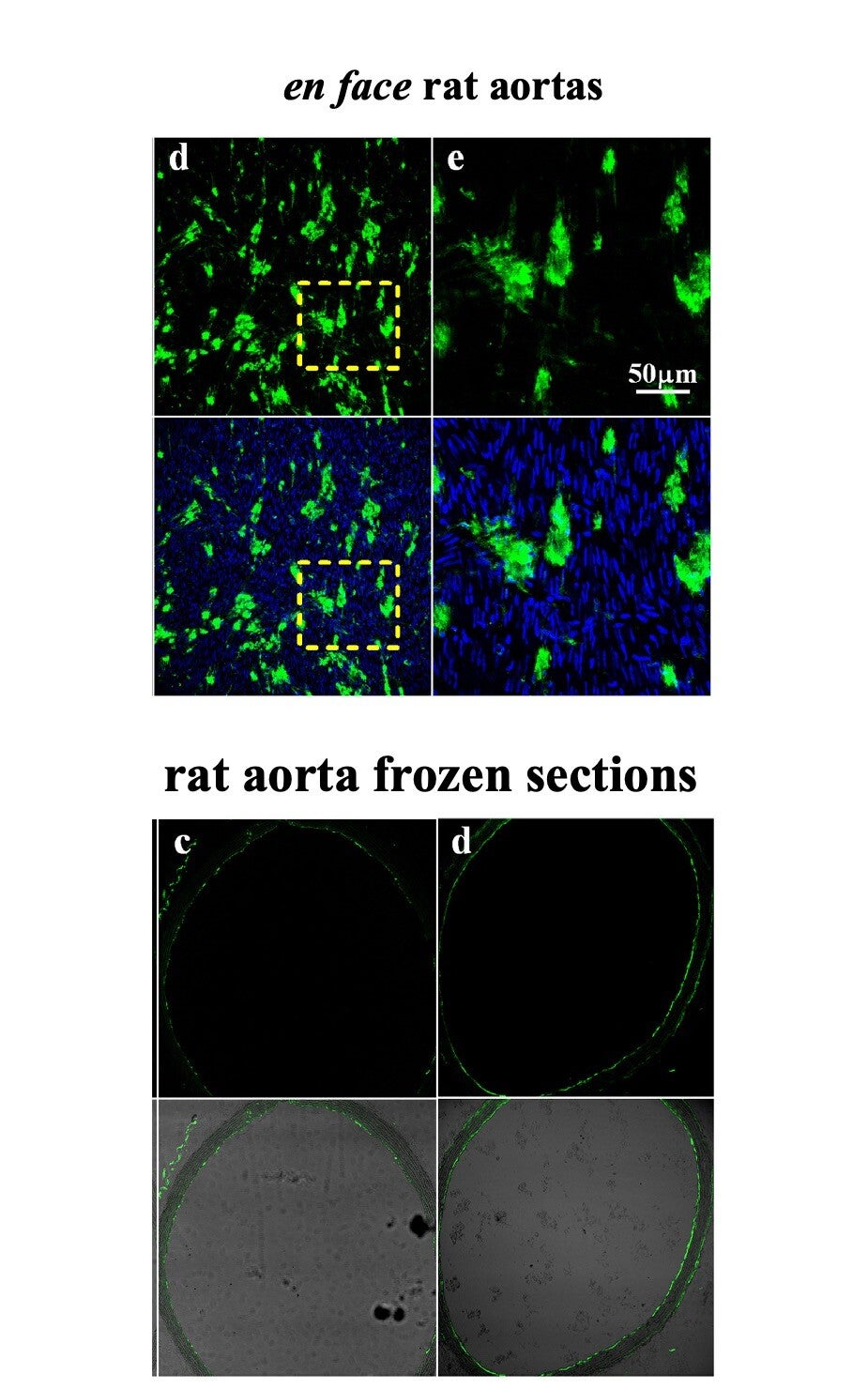
Targeted microbubble adhesion depends on molecular recognition and the physical conditions that govern binding. This research area examines how microbubble characteristics, acoustic conditions, and biological context interact to determine targeting efficiency and specificity. Controlled physical and biological models, including microfluidic channels and endothelial cell systems, provide a means to investigate the mechanisms underlying microbubble adhesion and its potential applications in molecular imaging and targeted therapeutic delivery.
Key research questions:
- How do microbubble composition, size, and dose influence targeting efficiency and specificity?
- How do molecular target expression, target accessibility, and endothelial phenotype affect microbubble adhesion?
- How do acoustic conditions, including radiation force, interact with microbubble properties and biological context to determine adhesion?
- Under what biological conditions can molecular targeting support both imaging and functional effects?

3. Ultrasound-Mediated Therapeutic Delivery
Engineering Microbubble Platforms for Localized Therapy
Ultrasound-responsive microbubbles offer a versatile approach to enhancing therapeutic delivery through localized acoustic activation. This research area explores microbubble-mediated drug delivery, ultrasound-induced cellular effects, and the integration of targeting and therapeutic functions. Emphasis is placed on how formulation design, acoustic parameters, and biological conditions influence delivery efficiency and therapeutic outcomes, including applications in cancer therapy.
Key questions
- How do microbubble and ultrasound doses influence therapeutic efficacy, cellular function, and safety?
- Which dose metrics best characterize therapeutic delivery and enable meaningful comparisons across formulations?
- How do microbubble properties and formulation design influence pharmacokinetics and therapeutic performance?
- How can molecular targeting and acoustic activation improve localized delivery while preserving cellular function?

Translational Perspective
My research focuses on elucidating the design principles governing microbubble-based molecular imaging and ultrasound-mediated therapeutic delivery. A primary objective is to establish quantitative relationships among formulation characteristics, molecular recognition, acoustic parameters, and biological outcomes. These findings inform the rational development of technologies suitable for evaluation in increasingly complex biological models. The translational advancement of this work is supported by systematic validation, reproducible characterization, and phased assessment across progressively relevant experimental systems.
Create Your Own Website With Webador